Most people who grind their teeth at night have no idea they are doing it. There is no pain to wake you up, no obvious warning sign at the moment. The clues only start to appear the next morning, or sometimes only after months of gradual damage have already taken their toll.
If you have been waking up with jaw soreness, tension headaches, or teeth that feel increasingly sensitive, bruxism could be the culprit. And the good news is that it is very straightforward to address.
What Is Teeth Grinding (Bruxism) and Is It Common?
Bruxism is the clinical term for grinding, clenching, or gnashing your teeth, most commonly during sleep. It is far more widespread than most people realise, affecting an estimated one in ten adults at some point in their lives, and many of those people go undiagnosed for years because the condition happens entirely unconsciously.
Sleep bruxism is classified as a sleep-related movement disorder, which means it occurs during the lighter stages of sleep when the brain is still partially active. Because it happens while you are asleep, it is often a partner, family member, or even a dentist noticing the signs before the person themselves does.
Nightguards at Forever Dental Toowoomba are one of the most effective and accessible ways to manage bruxism and protect your teeth from the damage it causes.
Signs You Might Be Grinding Your Teeth
Because teeth grinding happens during sleep, the signs tend to show up in how you feel when you wake up or how your teeth look and feel over time. Keep an eye out for the following:
- Morning jaw pain, stiffness, or soreness around the jaw joint
- Frequent headaches, particularly around the temples, that seem worse in the morning
- Earaches or a sensation of pressure around the ears without any ear infection
- Teeth that appear worn down, flattened, chipped, or shorter than they used to be
- Increasing tooth sensitivity, especially to hot, cold, or sweet foods and drinks
- Your partner or someone in your household has mentioned hearing a grinding or clicking sound while you sleep
If any of these sound familiar, it is well worth mentioning it at your next dental appointment. The sooner bruxism is identified, the easier it is to manage before significant damage occurs.
What Causes Bruxism?
Bruxism does not have a single cause. For most people it is a combination of factors working together, and understanding the triggers is a helpful part of managing it effectively.
Stress and Anxiety
This is one of the most common contributing factors. When the body carries tension during the day, that tension often does not fully release during sleep. The jaw muscles, which hold a significant amount of physical stress, can continue to clench and grind throughout the night as a physical outlet for that unresolved anxiety.
Sleep Disorders
Bruxism has a well-established connection to sleep disorders, particularly obstructive sleep apnoea. People who experience interrupted breathing during sleep are significantly more likely to grind their teeth, which is why a full sleep and health history is always helpful when assessing a patient for bruxism.
Bite Misalignment
When the upper and lower teeth do not sit together evenly, the jaw may unconsciously search for a more comfortable position during sleep, leading to grinding and clenching. An uneven bite, missing teeth, or changes following dental work can all contribute to this pattern.
How a Custom Nightguard Protects Your Teeth
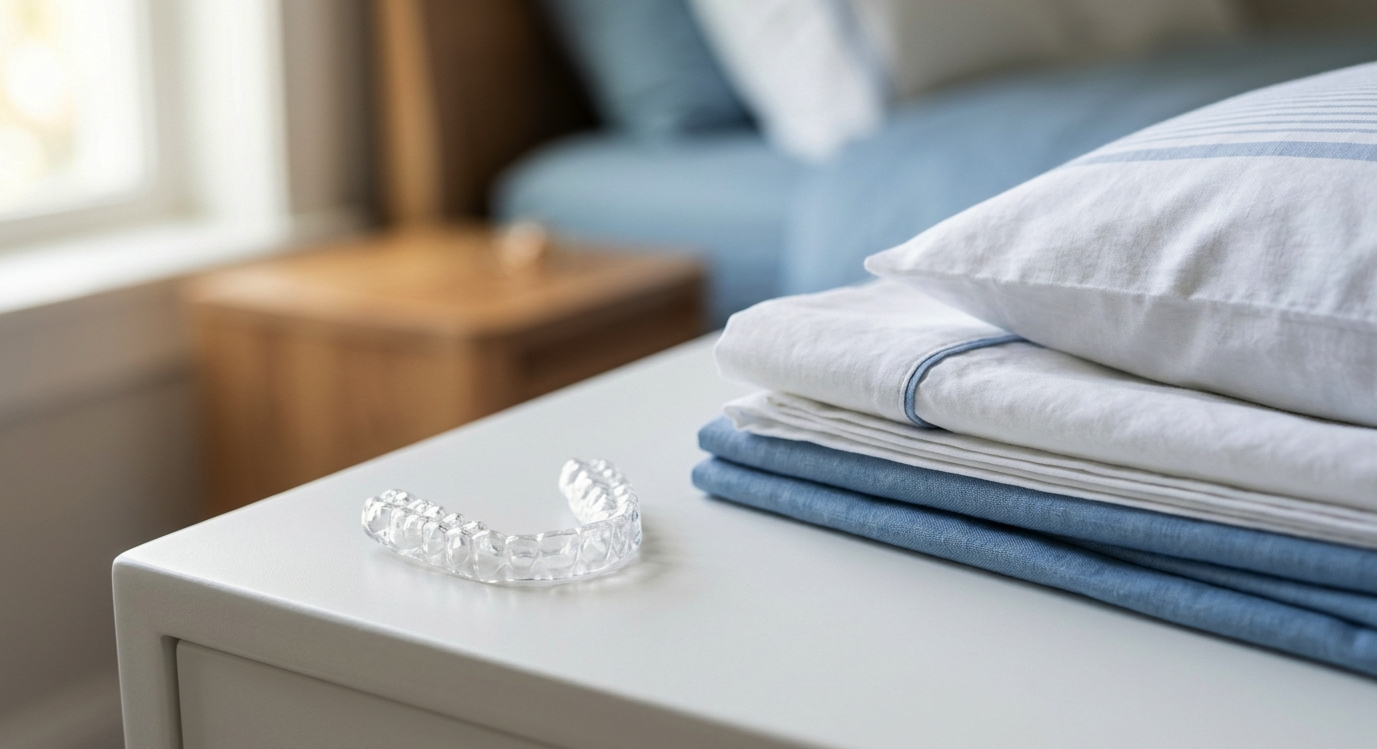
A custom nightguard is a precisely fitted oral appliance worn over your teeth during sleep. It works by creating a protective barrier between your upper and lower teeth, absorbing the forces generated by grinding and clenching so that your natural tooth surfaces do not have to.
The difference between a custom nightguard from a dental clinic and a one-size-fits-all version from a pharmacy is significant. Over-the-counter guards are bulky, uncomfortable, and often do not stay in place properly, which means many people give up wearing them after only a few nights. A custom-fitted guard is made specifically from impressions of your own teeth, making it comfortable, secure, and far more effective at doing its job.
It is also worth noting that a nightguard does not cure bruxism itself. What it does is protect your teeth from the damage grinding causes while other contributing factors such as stress management or sleep treatment are addressed alongside it. Think of it as your smile's shield while you sleep.
Wearing a custom nightguard consistently is one of the most effective ways to protect your teeth long-term and keep your dental health stable for years to come.
What Damage Can Grinding Cause If Left Untreated?
This is where bruxism can become a serious and costly problem if it goes unaddressed for too long. The forces generated by nighttime grinding are far greater than those produced during normal chewing, and over time that sustained pressure takes a real toll on your teeth and jaw.
Untreated bruxism can lead to:
- Cracked or fractured enamel that exposes the sensitive inner layers of the tooth
- Worn-down tooth cusps that flatten the biting surface and change the appearance of your smile
- Increased tooth sensitivity that makes eating and drinking genuinely uncomfortable
- Temporomandibular joint (TMJ) dysfunction, which causes jaw pain, clicking, and limited movement
- The need for restorative treatment such as dental crowns and veneers in Toowoomba to repair the damage and restore the appearance and function of worn teeth
The further bruxism progresses without management, the more complex and costly the treatment required to restore what has been lost. Acting early is always the better path.
Getting Your Custom Nightguard at Forever Dental Toowoomba
The process of getting a custom nightguard at Forever Dental Toowoomba is simple, comfortable, and typically completed in just two short appointments.
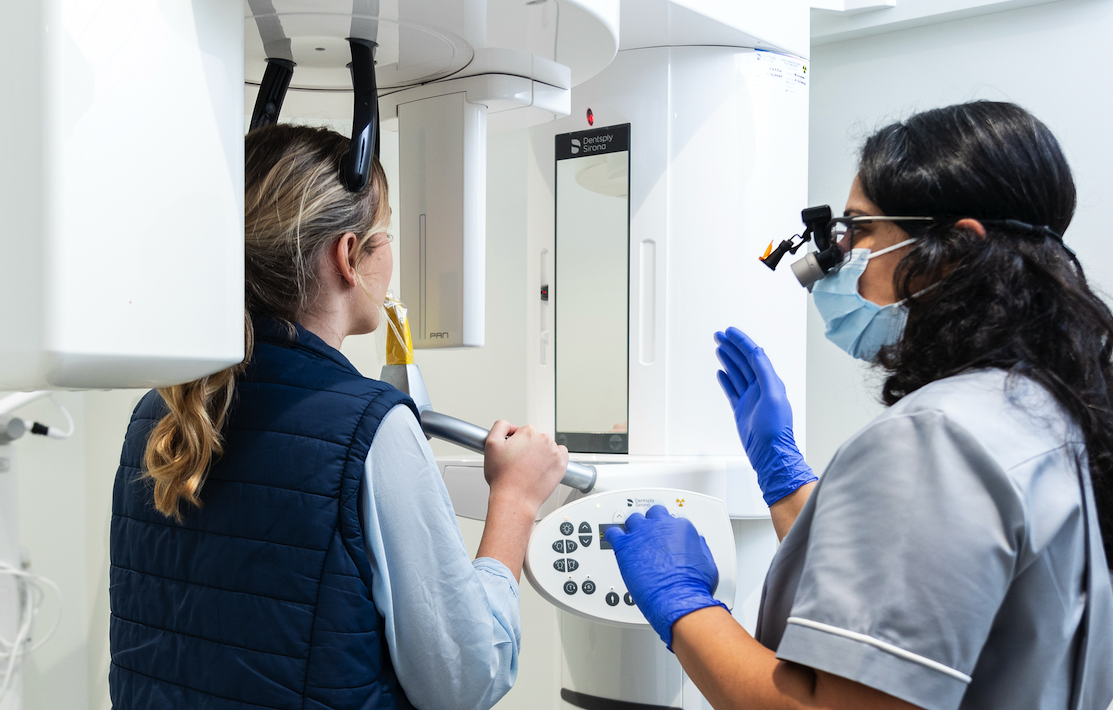
At your first visit, your dentist will assess your teeth, gums, and jaw, discuss your symptoms, and take precise impressions of your teeth. Those impressions are then sent to a dental laboratory where your custom nightguard is crafted to fit your mouth exactly.
At your second appointment, your guard is fitted, adjusted if needed, and you leave with everything you need to start protecting your teeth that very night. Your dentist will also walk you through how to care for and clean your nightguard so it stays comfortable and lasts as long as possible.
Wake Up Feeling Better: Book Your Appointment in Toowoomba
Jaw pain, morning headaches, and worn teeth are not things you should have to accept as part of your daily routine. In most cases, a custom nightguard is all it takes to wake up feeling significantly more comfortable and to stop the gradual damage to your smile in its tracks.
If you suspect you might be grinding your teeth at night, or if a partner has mentioned it, please do not wait. Contact Forever Dental today and let our caring team assess what is happening and recommend the right solution for you.
Book your appointment at Forever Dental Toowoomba today and start waking up to a healthier, more comfortable smile.
Book Online Now
Forever Dental Toowoomba. Modern dentistry. Elevated care. Beautifully confident smiles.